
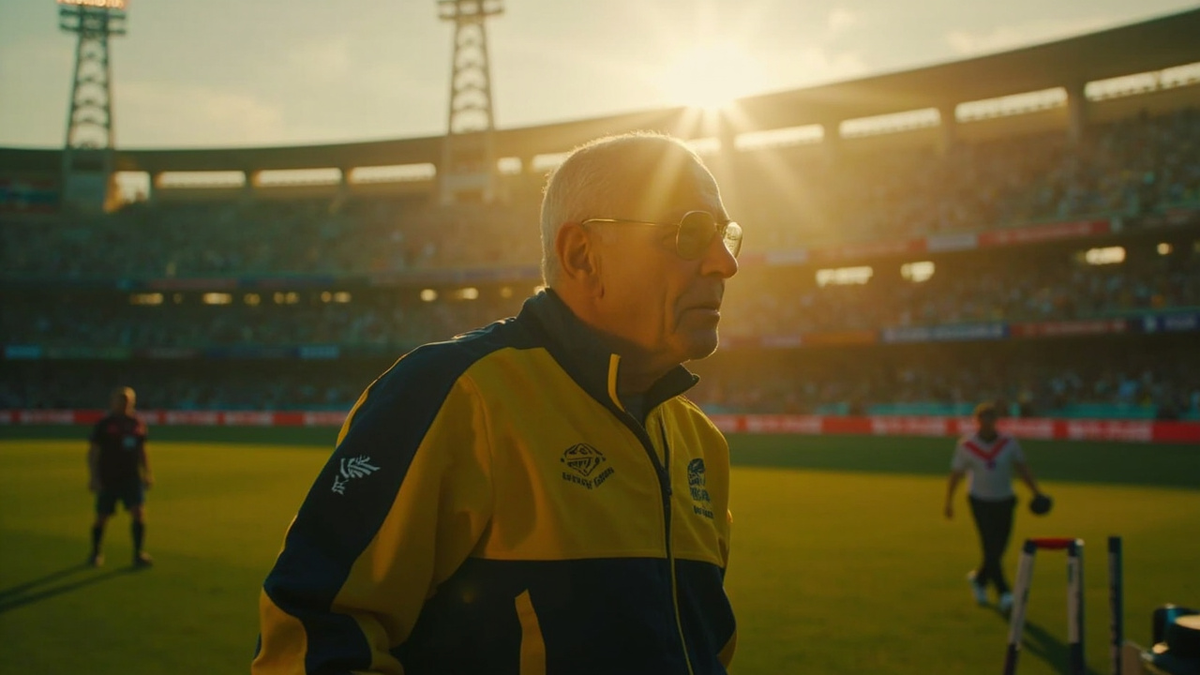
- CSK and Fleming mutually agreed to part ways after what the franchise called open and honest discussions.
- Fleming joined as a player in 2008 and became head coach in 2009.
- His CSK coaching record includes five IPL titles, two Champions League T20 titles, 10 IPL finals and 12 playoff appearances.
- CSK finished fifth in 2024, bottom in 2025 and eighth in 2026.
- The cited announcement did not identify a new head coach.
What CSK and Stephen Fleming have confirmed
Cricbuzz reported on July 13, 2026 that Stephen Fleming's association with Chennai Super Kings had ended after the franchise and its long-serving head coach mutually agreed to part ways. The decision followed what CSK described as a series of open and honest discussions. That wording matters: the public record frames the move as an agreed transition rather than an abrupt mid-season dismissal.
Fleming's connection with the franchise began in the inaugural IPL season in 2008, when he played for CSK. He moved into the head-coach role the next year and remained in charge through 2026. Very few franchise relationships survive multiple auction cycles, tactical trends, player generations and leadership changes. An 18-year association is therefore not merely a long tenure; it represents most of the IPL's history under one shared cricketing philosophy.
The same report records five IPL championships and two Champions League T20 crowns under Fleming. CSK reached 10 IPL finals and qualified for the playoffs 12 times during his tenure. Those numbers explain why the change is strategically important even after three seasons of declining finishes. CSK are not just replacing a coach who selected XIs. They are replacing a central custodian of the franchise's methods, dressing-room language and long-term decision process.
The record behind an 18-year partnership
The headline number is five IPL titles, but the deeper measure is repeatability. Ten final appearances and 12 playoff qualifications show that CSK remained relevant across different tournament formats, auction rules and squad cores. A title can arrive through a short burst of form. Reaching the closing stages over and over requires a system capable of rebuilding without discarding its identity.
Fleming's long partnership with MS Dhoni became the most visible expression of that system. Coach and captain were associated with calm selection, role clarity and loyalty to experienced players. That did not mean CSK never changed. It meant change was usually absorbed into a stable framework: players knew their likely phase of the innings, bowlers knew the overs they were being prepared for, and the leadership group rarely communicated panic after a bad result.
CSK owner Rupa Gurunath described Fleming as the heartbeat of the coaching unit and credited him with shaping the franchise's identity, vision and pursuit of excellence. Managing director KS Viswanathan highlighted consistency, humility and putting the team first. Those public tributes are useful clues about what the franchise may value in a successor. The next appointment will likely be judged not only on technical credentials but on whether the candidate can preserve that low-noise, team-first culture while modernising tactics.
Why the decision arrived after IPL 2026
The timing follows a clear downturn in league finishes. Cricbuzz notes that CSK finished fifth in 2024, at the bottom of the table in 2025 and eighth in 2026. One poor season can be dismissed as variance. Three seasons outside the playoffs, including two finishes near the foot of the table, create a stronger case for structural review.
That does not erase the prior record, nor does it prove that coaching alone caused the decline. T20 outcomes emerge from recruitment, availability, age profile, injuries, role fit, venue conditions and tactical execution. A head coach influences many of those areas but does not control all of them. The sensible reading is that CSK reached a natural decision point: the existing system had delivered historic success, yet recent results indicated that a new cycle needed a different lead voice.
The broader Super Kings assignments add context. Fleming also coached affiliated teams in SA20 and Major League Cricket. Joburg Super Kings reached the SA20 playoffs in each of the first four editions without reaching a final. Texas Super Kings reached the MLC playoffs in the first three editions but finished bottom in 2026, which Cricbuzz described as Fleming's last stint with a Super Kings team. The separation therefore appears broader than a single IPL dugout change.
What changes — and what may stay the same
A coaching transition can alter four layers at different speeds. The public appointment changes first. Back-room staffing and preparation processes may follow. Recruitment philosophy changes through auctions and trades. Match-day roles often change last because they depend on the available squad. Supporters and fantasy players should not assume all four layers will move together.
The successor will set selection standards, training intensity and how quickly CSK move on from established combinations.
Retention, trade and auction decisions will show whether CSK continue to prioritise experience or seek a younger athletic core.
Batting order, bowling phases, impact substitutions and wicketkeeping duties may be redistributed.
Dhoni's role, the existing support staff and senior players could preserve much of the previous operating style.
The franchise does not need to reject everything associated with Fleming to renew itself. In fact, removing role clarity or institutional patience would risk discarding the very features that made CSK successful. A more plausible transition is selective: maintain calm communication and team-first standards, but update recruitment, athletic profiles, data use and tactical flexibility.
This is also why the first press conference will matter less than the first set of squad decisions. Coaches can promise aggression, youth or innovation, but the playing group reveals the actual model. Monitor which players are retained, who is released, whether the top order gains pace, and whether the bowling attack is built for Chepauk alone or for a wider range of venues.
The succession question: confirmed facts versus speculation
As of the cited July 13 report, CSK had not named Fleming's successor. That is the most important line for readers scanning social posts and candidate lists. A rumour can be plausible without being confirmed. Until CSK publish an official appointment, headlines that present a particular coach as the new head coach should be treated cautiously.
A useful candidate evaluation framework has five parts. First is T20 tactical experience: can the coach manage match-ups, impact-player substitutions and compressed preparation windows? Second is franchise continuity: do they understand CSK's leadership culture? Third is player development: can they expand the usable squad rather than rely on a fixed XI? Fourth is recruitment influence: can they align the auction plan with a clear playing identity? Fifth is authority: can they make difficult calls around senior roles while retaining trust?
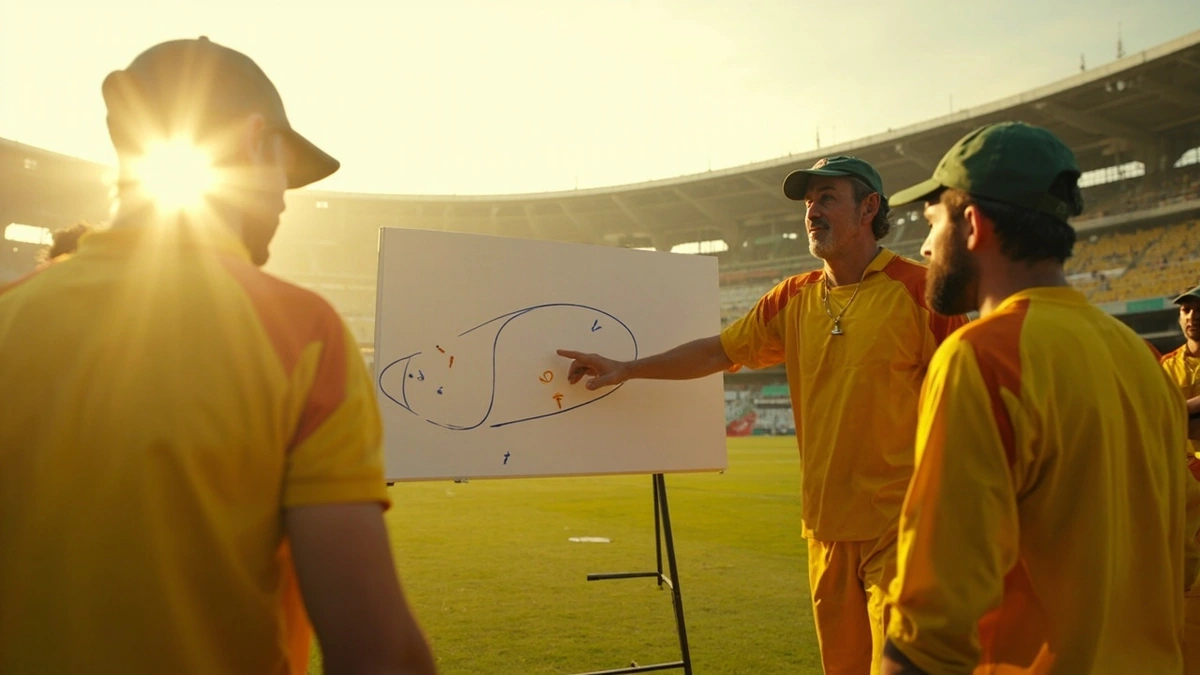
The franchise may choose continuity from inside the wider Super Kings network, an external head coach with a distinct tactical identity, or a split structure in which a cricket director supports a match-day coach. Each model has trade-offs. Continuity reduces disruption but can reproduce existing blind spots. An external appointment brings new ideas but may take longer to understand the squad. A split model distributes responsibilities but requires unusually clear authority lines.
Fantasy-cricket impact: use the news as context, not a points shortcut
Coaching changes attract attention because they appear to explain everything at once. For fantasy cricket, that is dangerous. A head-coach departure does not itself score points, determine a batting position or confirm a death bowler. It changes the probability of future role changes. The correct response is to widen the monitoring list, not to rewrite every projection immediately.
Start with batting-order continuity. Under a new coach, a player previously protected at one position may be used differently. Watch pre-season games, official warm-ups and the first two league team sheets. The second signal is wicketkeeping and leadership. If responsibilities shift, workload and selection security can change. Third, track the all-rounder mix. A new coach may favour batting depth, specialist bowling or flexible impact substitutions, changing how many overs a part-time option is likely to receive.
Bowling roles need the same discipline. Do not label a player a death-over specialist because of one pre-season spell. Use multiple confirmed matches to establish a pattern. Note who bowls with the new ball, who is saved for overs 16–20, and whether match-ups change between left- and right-handed batters. Confirm the XI after the toss before using the evidence in a fantasy team.
Readers building match-day teams can pair this coaching update with CricNinja's fantasy cricket strategy hub, team pages, player research and live match centre. The sequence should always be news context, role projection, confirmed line-up, venue conditions and then final captain or vice-captain choice.
Six signals to monitor before the next CSK season
1. The official appointment. Wait for CSK's own channels. Record the precise title because head coach, cricket director, mentor and batting coach carry different authority.
2. Support-staff retention. If most assistants remain, tactical and training continuity may be greater than the headline departure suggests. A broader staff reset would indicate deeper structural change.
3. Dhoni's defined role. Leadership continuity can shape how quickly a new coach changes selection and game plans. Use official statements rather than assumptions based on past seasons.
4. Auction and trade behaviour. The age profile and role balance of incoming players will reveal the new planning horizon. A focus on younger multi-phase players would signal a different rebuild from a short-term experience-heavy approach.
5. The Chepauk template. CSK have historically valued home-condition specialists. Watch whether the next squad remains heavily optimised for Chennai or is built for more transferable pace, power and fielding.
6. Early role stability. In the first matches, track opening combinations, No. 3 and No. 4 usage, wicketkeeping, impact-player patterns and overs by phase. Those details are more useful for fantasy research than broad claims about a “new era.”
A transition with legacy, pressure and opportunity
Fleming's exit is significant because of what came before it. He helped construct a model that turned continuity into a competitive advantage. Five IPL titles, two Champions League crowns, 10 finals and 12 playoff appearances created a standard that any successor will inherit immediately.
The recent table positions explain why change became possible: fifth, bottom and eighth across 2024–2026. But the next regime should be evaluated on more than an instant return to the playoffs. The larger task is to refresh the squad and tactics without losing the clarity and trust that sustained CSK for so long.
For readers, the responsible conclusion is simple: the Fleming era is confirmed to be over; the identity of CSK's next head coach is not yet confirmed in the cited report. Everything beyond that line should be labelled analysis or speculation.

Continue your IPL research
Follow the CricNinja IPL 2026 hub for verified coaching, squad and role updates, and use the news desk for new announcements. For match-specific decisions, move from this background briefing to confirmed team news, venue conditions and official line-ups. That workflow keeps long-term franchise analysis separate from short-term fantasy selection.