India begin a three-match T20I series against Zimbabwe at Harare Sports Club on 23 July 2026, first ball at 4:30 PM IST. Shreyas Iyer captains the visitors; Sikandar Raza leads the hosts. Here is a role-first fantasy brief for the series opener: where captain multipliers make sense, how a balanced Harare pitch should shape credits, and which predicted XI roles are worth watching after the toss.
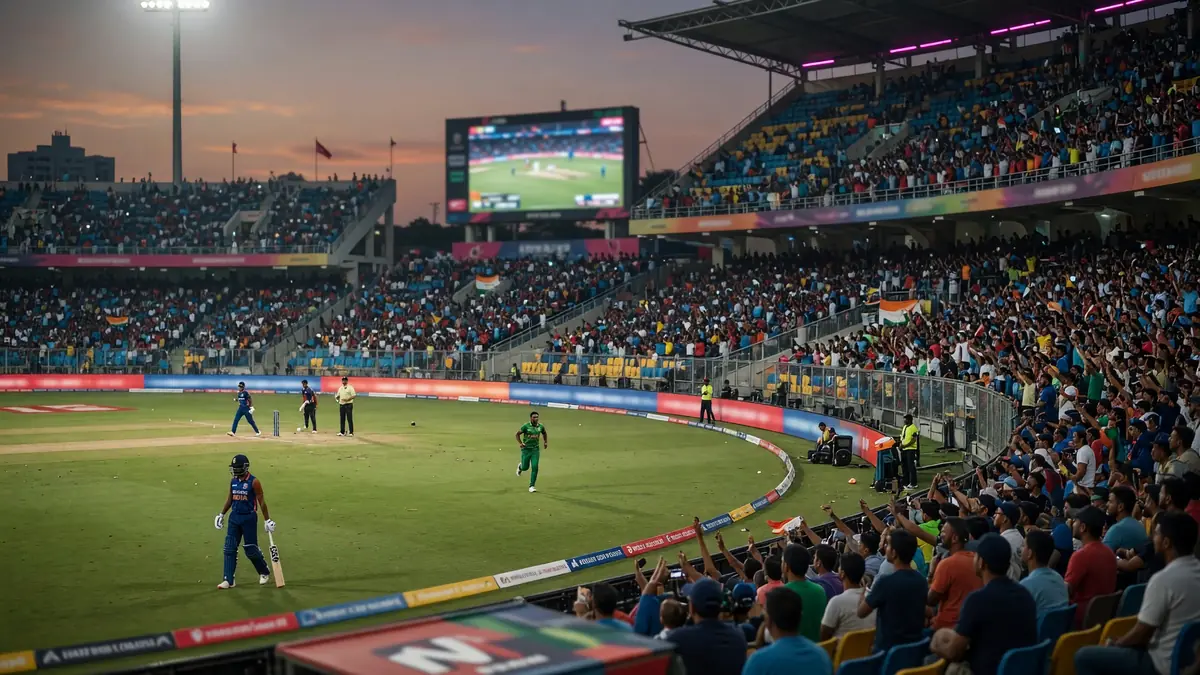
· CricNinja News Desk
Match-winner odds and fantasy rankings are not the same exercise. India enter the bilateral with the deeper squad on paper, and the T20I head-to-head sits at India 11 wins to Zimbabwe 3. That record is useful background for confidence, not a reason to build an eleven-man India monoculture. Series openers still produce clean role maps: who faces the new ball, who absorbs the middle overs, and which home all-rounder can still fill a salary slot when credits tighten.
Weather guidance for the window is straightforward — roughly 24°C under clear skies — so a full 40-over contest is the working assumption until a late update says otherwise. The surface brief is balanced with a pace lean, and the average first-innings score sits near 157. In fantasy terms that is a mid-150s planning band: enough batting volume for top-order multipliers, enough bowling relevance that three specialist bowling slots still earn their keep.
Harare Sports Club · 23 July 2026 · 4:30 PM IST · first of three T20Is
India: Shreyas Iyer · Zimbabwe: Sikandar Raza
~24°C, clear sky · balanced pitch with pace lean · avg 1st innings ~157
India 11 · Zimbabwe 3
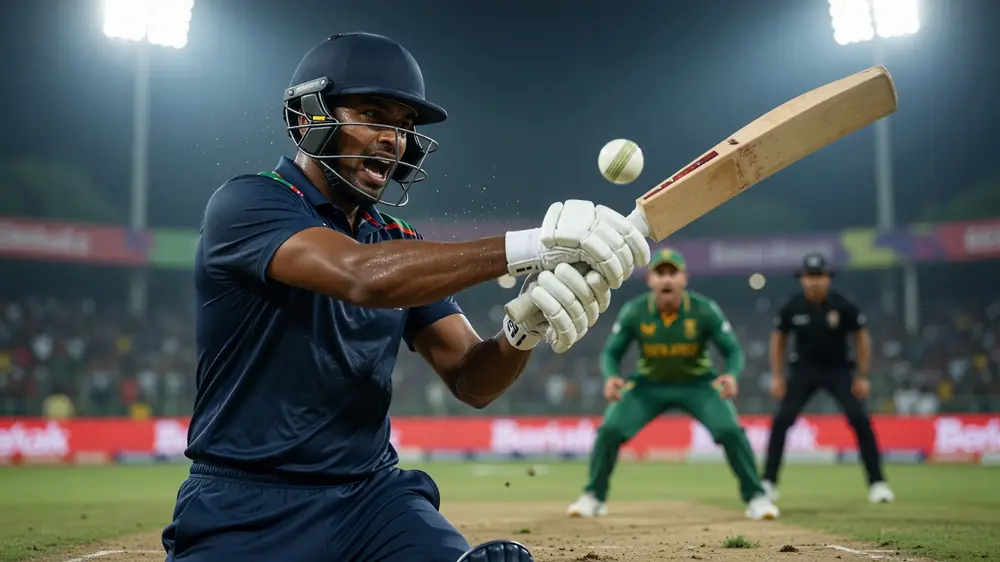
Fantasy briefs for this fixture keep returning to two captain anchors: Vaibhav Suryavanshi and Ishan Kishan. The split is about phase ownership, not brand heat. Suryavanshi is the high-variance powerplay route — an opener whose scoring bursts compress a full contest into the first six to ten overs once the 2x tag is applied. Kishan is the dual-contribution alternate: career T20I numbers listed for him include 1,341 runs and a century while keeping wicket, so the (C) case is batting volume plus glove points when he is confirmed behind the stumps.
A practical way to choose between them is contest type. In small leagues and head-to-head rooms, the ceiling of an in-form opener often matters more than a slightly safer floor. In large-field books, the keeper-batter’s dual pathway can reduce the chance of a dead multiplier if one department under-delivers. Neither choice is a lock until the toss card confirms batting order and gloves.
Vice-captain shortlists cluster on Abhishek Sharma and Sikandar Raza for different reasons. Abhishek’s listed T20I ledger is 1,546 runs at a 193.25 strike rate with seven wickets as a part-time option — the profile of a player who can own the new ball with the bat and still add a fringe bowling contribution. Raza’s career ledger is heavier still: 3,089 T20I runs and 107 T20I wickets overall. That is full-career production, not a home-only split; treat the dual pathway as the reason he remains the cleanest Zimbabwe differential when multi-entry books refuse an all-India core.
Supporting names that appear repeatedly in expert notes for this match are Ravi Bishnoi (64 T20I wickets) and Ryan Burl (2,014 T20I runs and 62 wickets). Read them as salary and role tools rather than automatic captain punts. Bishnoi is India’s frontline leg-spin option in the predicted side; Burl is the home all-round packing piece when you need Zimbabwe coverage without paying full Raza credits twice.
| Decision | Primary names | Editorial read |
|---|---|---|
| Captain anchors | Vaibhav Suryavanshi, Ishan Kishan | Powerplay ceiling versus keeper-batter dual score |
| Vice-captain lanes | Abhishek Sharma, Sikandar Raza | Strike-rate opening volume versus dual-role home captain |
| Salary / differential tools | Ravi Bishnoi, Ryan Burl | Wicket upside and all-round packing under the cap |
| Working shape | 2-4-2-3 | Top-order coverage, two all-round routes, three bowlers |
Predicted line-ups are scaffolding. Use them to count who owns each phase, then rebuild after the toss if a seamer or middle-order batter is swapped. The India projection in pre-match coverage is:
That order places two aggressive left-hand options at the top, keeps Iyer as the organised middle-order hinge, and lists a pace cluster of Mayank Yadav, Prince Yadav and Ashok Sharma alongside Bishnoi. Harsh Dubey and Shivam Dube offer two different all-round textures — spin-first versus pace-hitting — which matters when you need a second all-rounder without doubling Zimbabwe’s premium credits.
Zimbabwe’s spine in this projection is still Raza and Burl, with Marumani and Bennett asked to set a platform and Clive Madande on the gloves. Ngarava, Muzarabani and Evans form the home pace counter on a surface described as pace-friendly. For fantasy construction, that usually means at least one Zimbabwe seamer belongs in the conversation for head-to-head contests where a single early wicket can decide the entry — not that every book must force three hosts into an eleven.
Two names currently sit on the avoid board in the credit sheets attached to this preview: Yash Thakur and Dion Myers, both shown with credits and recent points marked unavailable. Until those fields refresh with confirmed XI status and live pricing, they are poor locks. Fantasy edges disappear when a slot is spent on a player who may not bowl a full quota or may not bat high enough once the toss card is public.
The combination repeatedly suggested for this fixture is 2-4-2-3 — strong top-order batting contact, two all-round routes, and three bowlers who can share powerplay, middle and death phases once your app’s category labels are applied. Sample construction logic, not a frozen template: open with Kishan or Suryavanshi as captain; pair Abhishek as vice-captain in safer books or Raza in differential books; keep Tilak Varma and Shivam Dube for middle-order floor; take Burl or Harsh Dubey as the second all-rounder; finish with Bishnoi plus two from Mayank Yadav, Ngarava or Muzarabani depending on remaining salary.
Multi-entry players can still split books without inventing ownership percentages. Book A can stay India-heavy with Suryavanshi (C) and Abhishek (VC). Book B can run Kishan (C) with Raza (VC) and Burl as the salary save. A third book can test Bishnoi or Burl only in large-field rooms where a unique captain is a deliberate variance choice — and should stay out of most single-entry head-to-head rooms, where that same variance often loses the duel.
What the pre-match notes do not establish, and what this brief will not invent, are precise over-allocations, evening surface behaviour, or public selection shares. Those claims need live team sheets, ball-tracking and field data that are not in the verified record for this run. Stick to roles that the predicted XIs and career numbers actually support, then adjust after the toss.
A balanced pitch with a pace lean and a first-innings average near 157 is not a 200-flat highway and not a square turner. Plan competitive totals in the mid-150s, then decide whether your captain is a top-order aggressor who can finish the job inside 12–14 overs or a dual-role player who can still add bowling points if the chase slows. Clear sky and 24°C simplify the environmental read: seamers still matter through bounce and hard lengths more than through exaggerated swing guesswork alone.
In practice, keep three bowling slots honest. Do not strip pace for a fifth pure batter unless the final XI confirms a batting-heavy India side and a soft Zimbabwe attack. Prefer all-rounders who are expected to bowl their overs over finishers who might face only a handful of balls. If India bowl first, Indian pacers and Bishnoi generally rise a notch because early wickets on a fresh surface travel further in ranking terms. If India bat first, Suryavanshi, Abhishek and Kishan become the cleaner captain stack, with Iyer as a steadier vice-captain option in head-to-head rooms. Zimbabwe batting first or chasing a reachable total both keep Raza and Burl in the differential conversation; neither scenario converts career wickets into a home-only bowling monopoly.
India’s historical edge in this rivalry supports an expectation that they take the opener on squad strength. Fantasy still needs the underdog pieces. Underdogs produce the vice-captain or the third bowler who separates two near-identical India cores. Use the 11–3 head-to-head as a confidence check on India’s ceiling, not as permission to ignore Raza’s full-career dual numbers or Burl’s packing value.
Readers who want a wider process beyond one bilateral — multiplier math, contest selection, and captain frameworks — can explore fantasy cricket strategies and match briefs on CricNinja. Keep this Harare card focused on confirmed roles once the toss lands rather than chasing every older tour data point.
The next concrete checkpoint is the toss itself, minutes before the 4:30 PM IST start in Harare. Until then, treat predicted XIs as scaffolding, keep captain tags on players with clear phase ownership, and let live credits — not reputation alone — finish the side.
