A retrospective fantasy read on the opening T20I of the India tour of England 2026, played at Riverside Ground, Chester-le-Street on Wednesday 1 July 2026, 10:00 PM IST. The cards below are the captain lanes, predicted XIs, broadcast details and pitch notes that shaped fantasy builds going into that match.
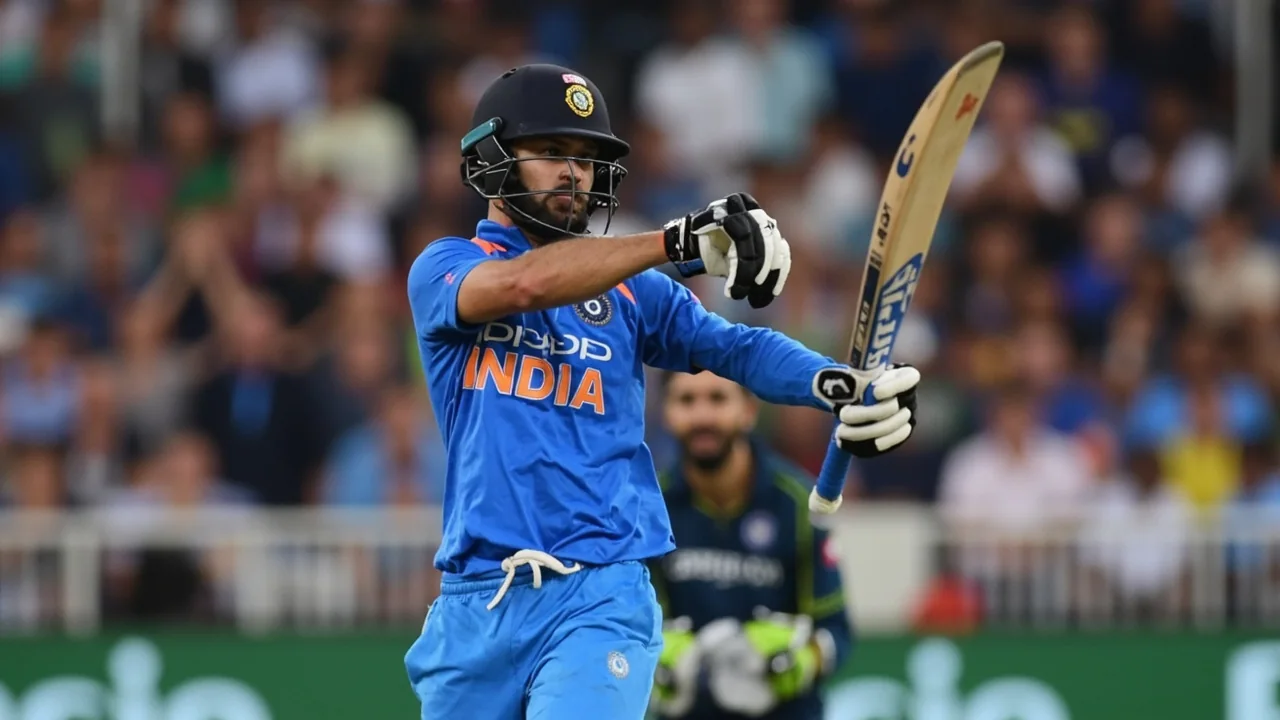
· CricNinja News Desk · Retrospective fantasy brief
England opened the India tour of England 2026 with a T20I at Riverside Ground, Chester-le-Street on Wednesday 1 July 2026, first ball 10:00 PM IST. Harry Brook led the hosts, Shreyas Iyer captained India, and the build-up centered less on form lines than on how each side would configure eleven picks on what the pre-match preview described as a balanced T20 surface.
The original CricTracker fantasy brief for that opener has aged into a useful reference point. It documented the probable XIs, the broadcast route through Sony Sports Network and Sony LIV, and a pitch note that mattered for fantasy builds: batting conditions improving as the innings progressed, fast-bowler movement with the new ball, and a first-innings band that did not require forcing a 200-flat plan. That framing still shapes how fantasy slots were assigned, and a retrospective look at those lanes tells you which picks were about phase ownership versus which were about reputation.
Riverside Ground, Chester-le-Street · 1 July 2026 · 10:00 PM IST · opener of India tour of England 2026
England: Harry Brook · India: Shreyas Iyer
~23.0°C · 75% humidity · cloudy · balanced T20 pitch with new-ball seam
England 5 · India 6
The original brief was built around a single premise: India arrived at Riverside looking to reset after a T20I series defeat to Ireland. With Shreyas Iyer named captain, the visitors' predicted side leaned toward batting depth plus two front-line spin options. Arshdeep Singh and Harshit Rana were the named pace anchors, with Axar Patel and Washington Sundar expected to absorb middle-overs overs in tandem. Sahil Dubey's selection in the lower order was the most distinctive call: a batting all-rounder who, in fantasy terms, only pays off if he is confirmed with a full batting slot, not merely listed as a bowling reserve.
The keeper question was the second storyline. Ishan Kishan was listed as the probable gloves, with Sanju Samson named in the XI as a middle-order batter rather than a backup keeper. That distinction mattered for fantasy builds because keeper points are a separate multiplier on most Indian apps; placing the captain tag on a confirmed keeper-batter is a different risk profile than placing it on a pure batter who might lose the gloves mid-innings.
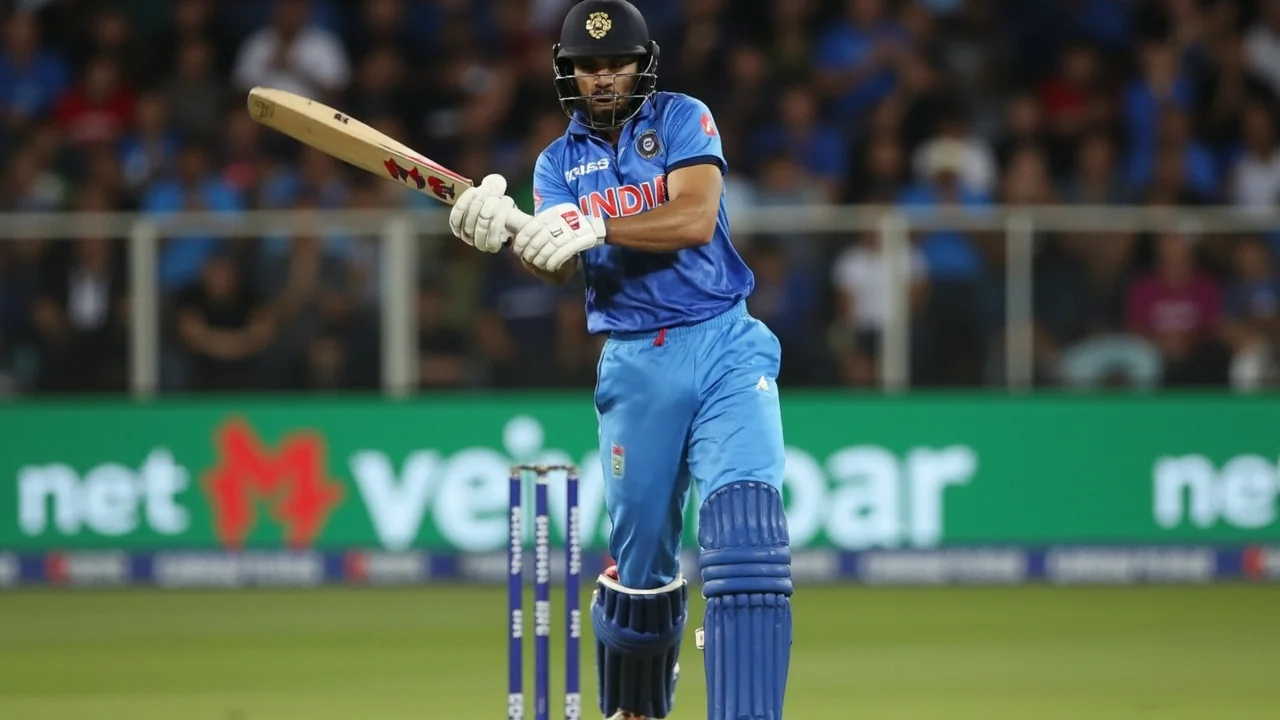
England's preview XI was the more spread-out of the two: Phil Salt and Jos Buttler at the top, Harry Brook in the middle, Jacob Bethell and Tom Banton as the slot-defined middle-order, Will Jacks as the spin-bowling all-rounder, and a five-man attack that included Liam Dawson, Sam Curran, Luke Wood, Adil Rashid and Saqib Mahmood. Jofra Archer, listed as fully fit and available for the series, sat among the bench options rather than the predicted eleven. Reading that bench note back now, the practical fantasy lesson is clear: when a star quick is named fit but not in the XI, do not pre-burn a salary slot on him in head-to-head contests. Wait for the toss card.
Bethell was the most distinctive young name on the card. A batting all-rounder with a left-handed spin option, he sat on the boundary of fantasy value: too cheap to ignore on credits, but with a defined bowling role only in certain match-ups. In multi-entry books, that profile belongs in the differential line, not the headline stack.
The pre-match preview kept returning to two captain anchors on each side, and the conversation mattered less for headline names than for phase ownership. For India, the lanes were Shreyas Iyer as the organised middle-order hinge and Sanju Samson as the keeper-batter path, with Ishan Kishan available if India confirmed a different gloves decision. For England, the lanes were Phil Salt as the powerplay ceiling, Jos Buttler as the dual-contribution keeper route, and Harry Brook as the home captain anchor.
Reading the lanes back, the realistic captain choice depended on the contest type more than on player reputation. In small leagues and head-to-head rooms, an opener who could finish the powerplay work inside the first six overs was the cleanest ceiling. In large-field books, a keeper-batter with a confirmed dual pathway reduced the chance of a dead multiplier if one department under-delivered. The preview's framing of the toss as the deciding checkpoint still holds: predicted XIs are scaffolding, the toss card is the lock.
Vice-captain shortlists read the same way. For India, the named lanes were Abhishek Sharma as the high-strike-rate opening volume and Tilak Varma as the middle-order accelerator, both carrying different cost profiles on most fantasy apps. For England, Will Jacks and Liam Dawson were the differential vice-captain lanes: a batting all-rounder with a defined spin role, and a spin-bowling all-rounder whose batting order would have to be confirmed before any tag was placed. The same contest-type rule applied in both cases: small rooms reward ceiling, large-field rooms reward dual pathways.
| Decision | Primary names | Editorial read |
|---|---|---|
| India captain anchors | Shreyas Iyer, Sanju Samson | Middle-order stability versus keeper-batter dual pathway |
| India pace lanes | Arshdeep Singh, Harshit Rana | New-ball movement plus powerplay wickets on a seaming surface |
| England captain anchors | Phil Salt, Jos Buttler, Harry Brook | Powerplay ceiling versus keeper route versus home captain anchor |
| England bench swing | Jofra Archer | Listed fit, kept outside the predicted XI — confirm after toss |
| Working shape | 3-3-2-3 | Three top-order batters, three middle-order, two all-rounders, three bowlers |
The pitch was described as offering balanced T20 conditions. Batting surfaces had improved in recent matches at the venue, fast-bowlers had movement with the new ball, and stroke-making became easier as the innings progressed. That read implies a working first-innings band closer to 165 than 200: enough that three bowling slots earn their keep, but not so flat that a fifth pure batter is a forced upgrade.
Weather at the venue was reported at 23.0°C with 75% humidity under cloudy skies. The conditions do not suggest a dew-driven chase advantage or a square-turning spinner track. Plan competitive totals in the mid-160s. All-rounders expected to bowl a full quota remain the cleanest fantasy tools in that band; finishers who might face only a handful of balls tend to under-deliver.
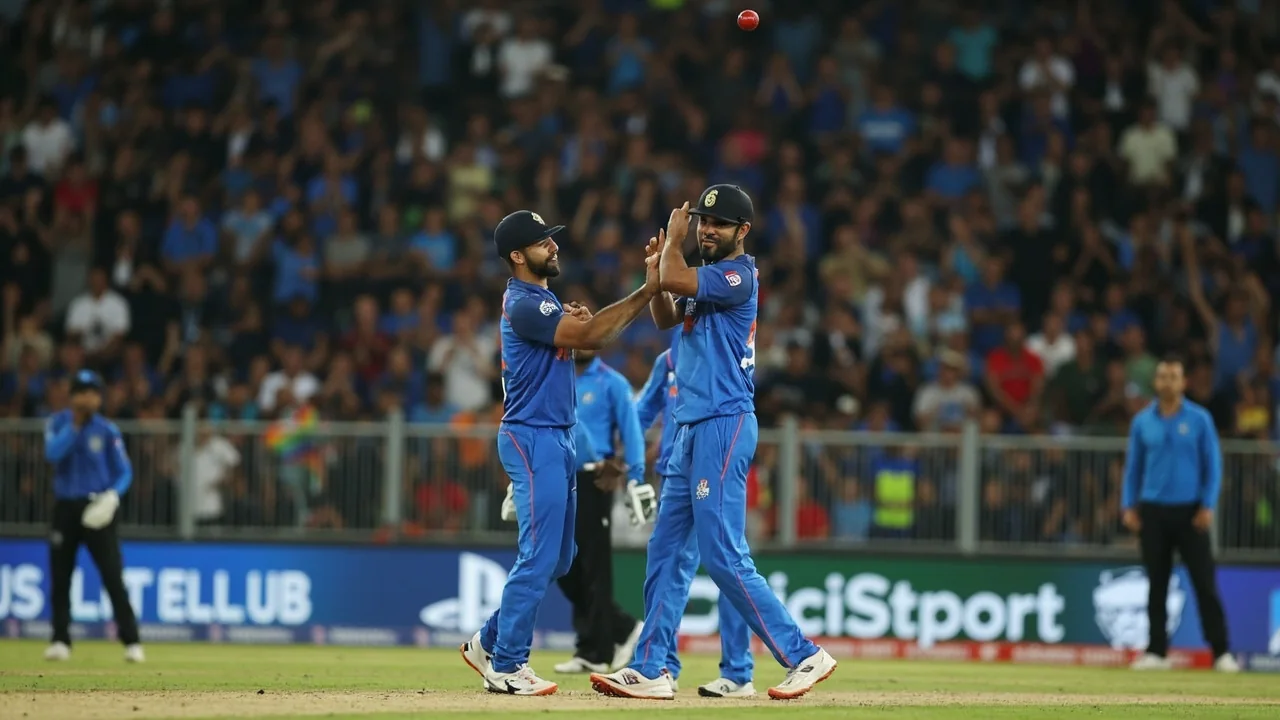
The form line shown on the original preview page read England L L W L W and India L L W W W across the last five completed T20Is. India's three-match win run at the back end of that window was the more current signal. The head-to-head tally sat at 5 : 6 in England's favour by match count, but the recency still tilted the expectation toward India taking the opener on squad depth and current form.
The structural read was useful but limited. Form lines and head-to-head numbers do not pick a captain; they calibrate how aggressive the captain choice should be. A two-from-three-win India gave fantasy rooms permission to run India-heavy stacks. A two-from-three-loss England did not require an all-India core; it required one or two England differentials to break ties in large-field books.
Broadcast details for the original fixture sat with Sony Sports Network on television and Sony LIV for live streaming. For viewers and fantasy scorers alike, the broadcast route mattered less than the toss timing: confirmed XIs came out minutes before the 10:00 PM IST start, and the lock-in window closed with them.
Readers building context for future tours can find broader England-India T20I fantasy notes and touring briefs on CricNinja, where the T20I touring template, captain multiplier math, and Riverside-style seam-readings sit alongside the rest of the fantasy desk.
Two things the original brief did not claim, and which a retrospective read should not invent: precise public ownership percentages, and over-by-over surface behaviour for the actual match night. Those facts require post-match team-sheet data, ball-tracking, and a finished scoreline that the preview's job was never to deliver. Stick to the lanes the predicted XIs and the venue note actually support, then re-anchor after the toss confirms roles.
What the preview did establish was a useful baseline: a balanced Riverside pitch, two pace anchors per side, a home captain with a clear powerplay top three, a visiting captain building around middle-order batting depth, and a confirmed-fit Archer sitting outside the predicted XI. None of those facts are predictions of scoreline or fantasy points; they are role maps that any fantasy build on the same fixture type would have to reckon with.
The legacy of that opener, read from the preview back, is a squad-shape template that still travels: confirmed-fit players outside the XI are differential options only after the toss card; a captain tag belongs on a player with clear phase ownership; and the venue note should drive the bowling-slot count, not the bowling names. That framework still applies to the next India-England T20I on the calendar and to most balanced T20 surfaces on the touring calendar in general.
